
What to Do After a Chimney Fire in Upstate NY: Safety Guide
Immediately after a chimney fire, evacuate everyone and call 911; never assume the fire is out once flames die down in the firebox. Do not use the fireplace or wood stove again until a certified NFPA 211 inspection verifies flue integrity. Call (407) 956-1738 for 24/7 emergency smoke odor extraction and thermal attic inspection. Creosote smoke contains acidic carcinogens that permanently etch finishes and penetrate building framing.
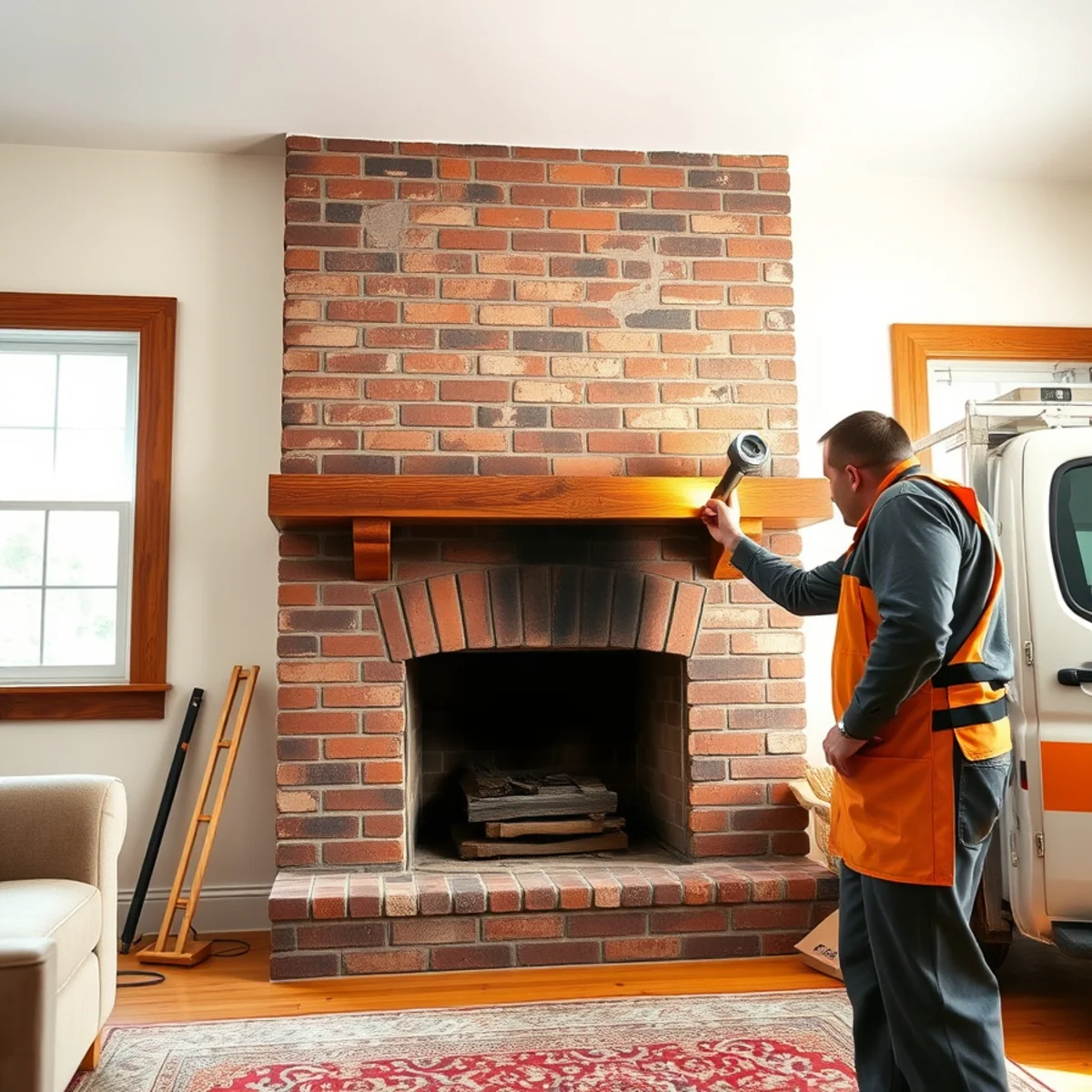
Across rural Central New York—from the hillsides of Chenango and Otsego Counties to Madison and Delaware Counties—wood-burning stoves and masonry fireplaces are vital heating sources throughout long, sub-zero winters. However, burning cordwood inevitably leads to creosote accumulation within the chimney flue. When Stage 3 glazed creosote ignites, flue temperatures can skyrocket past 2,000°F in minutes. Accompanied by a terrifying roar resembling a low-flying jet engine, chimney fires violently stress masonry and metal flues. Even if the fire department extinguishes the blaze before flames penetrate the living area, the aftermath poses severe hidden dangers, including shattered refractory tiles, charred attic framing, and intensely pungent, acidic smoke odors that coat your entire home. This guide details exactly what steps you must take to protect your family, evaluate structural safety, and restore your property.
1. Immediate Evacuation and 911 Clearance: The Threat of Hidden Extension
A chimney fire is an active structural emergency, not a self-contained appliance event. When creosote burns, combustion gases expand violently, forcing flames and glowing embers through mortar joints and metal seam joints.
Why You Must Call 911 Immediately
Never attempt to extinguish an active flue fire by spraying a garden hose down the chimney top or splashing buckets of water into the firebox. The instantaneous thermal shock of cold water hitting 2,000°F clay tile or masonry will cause the entire chimney stack to explode, sending shrapnel through the hearth and blowing toxic steam into the room. Evacuate all occupants to a safe exterior assembly point and dial 911 for professional volunteer fire department dispatch.
Thermal Camera Overhaul of Attic and Roof Spaces
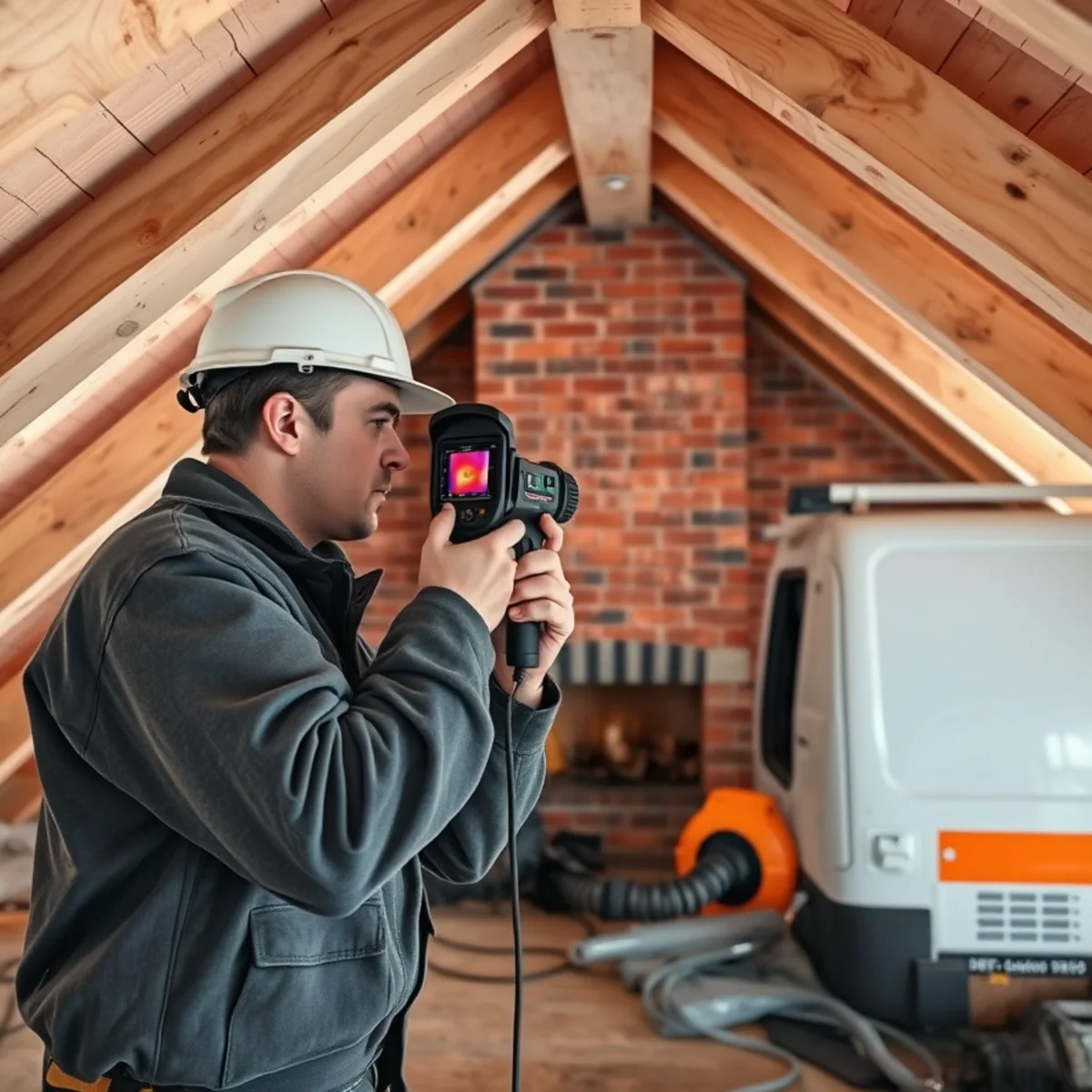
Even after visible sparks stop shooting from the chimney crown, combustion heat can conduct through solid brick and cinder blocks into adjacent 2x4 framing studs, floor joists, and roof rafters. Firefighters use calibrated FLIR thermal imaging cameras to inspect the entire vertical length of the chimney chase. In historic Upstate New York homes with balloon framing, lack of horizontal fire-blocking means a chimney fire can ignite concealed attic cellulose insulation or rafters hours after the initial event.
Never re-light a wood stove, pellet stove, or fireplace after a chimney fire, even for a "small test fire." Operating a compromised flue risks immediate carbon monoxide poisoning or secondary house fire.
2. Understanding Flue Thermal Shock: Shattered Liners and Warped Pipe
Standard residential chimneys are engineered to vent flue gases between 350°F and 600°F. When creosote combusts at temperatures between 1,800°F and 2,200°F, extreme thermal gradient differentials cause catastrophic material failure.
Refractory Clay Tile Liner Fractures
Terra cotta clay flue tiles expand rapidly when exposed to 2,000°F heat. Because masonry cannot expand uniformly, tiles develop vertical and diagonal fractures, shear spalls, and dislodged liner segments. These fractures expose combustible wood framing directly behind the brickwork to future spark passage and poisonous combustion gases during subsequent uses.
Class A Stainless Steel Chimney Warping and Seam Rupture
Prefabricated factory-built chimneys (UL 103 HT rated) are tested to withstand 2,100°F for a maximum of three 10-minute intervals. An intense creosote fire frequently buckles the inner stainless liner, degrades the high-density ceramic blanket insulation, and warps outer casing seams, rendering the venting pipe completely non-compliant with New York State Building Code.
3. Creosote Soot Chemistry & Deep Odor Neutralization Protocols
Unlike dry wood ash, creosote smoke is composed of condensed heavy hydrocarbons, tar droplets, acetic acid, phenols, and creosol. When smoke escapes through the chimney damper or wall gaps during the fire, it leaves an intensely acrid, greasy film across living spaces.
Why Air Fresheners and Ozone Alone Fail
Creosote odor molecules penetrate deep into porous drywall, plaster, softwood floorboards, and upholstery foam. Simply running a retail air purifier or spraying fragrance masks the smell temporarily without eliminating the chemical source. As ambient humidity rises during Central NY seasonal shifts, untreated creosote off-gasses offensive barbecue and tar odors indefinitely.
The 4-Step Professional Odor Elimination Protocol
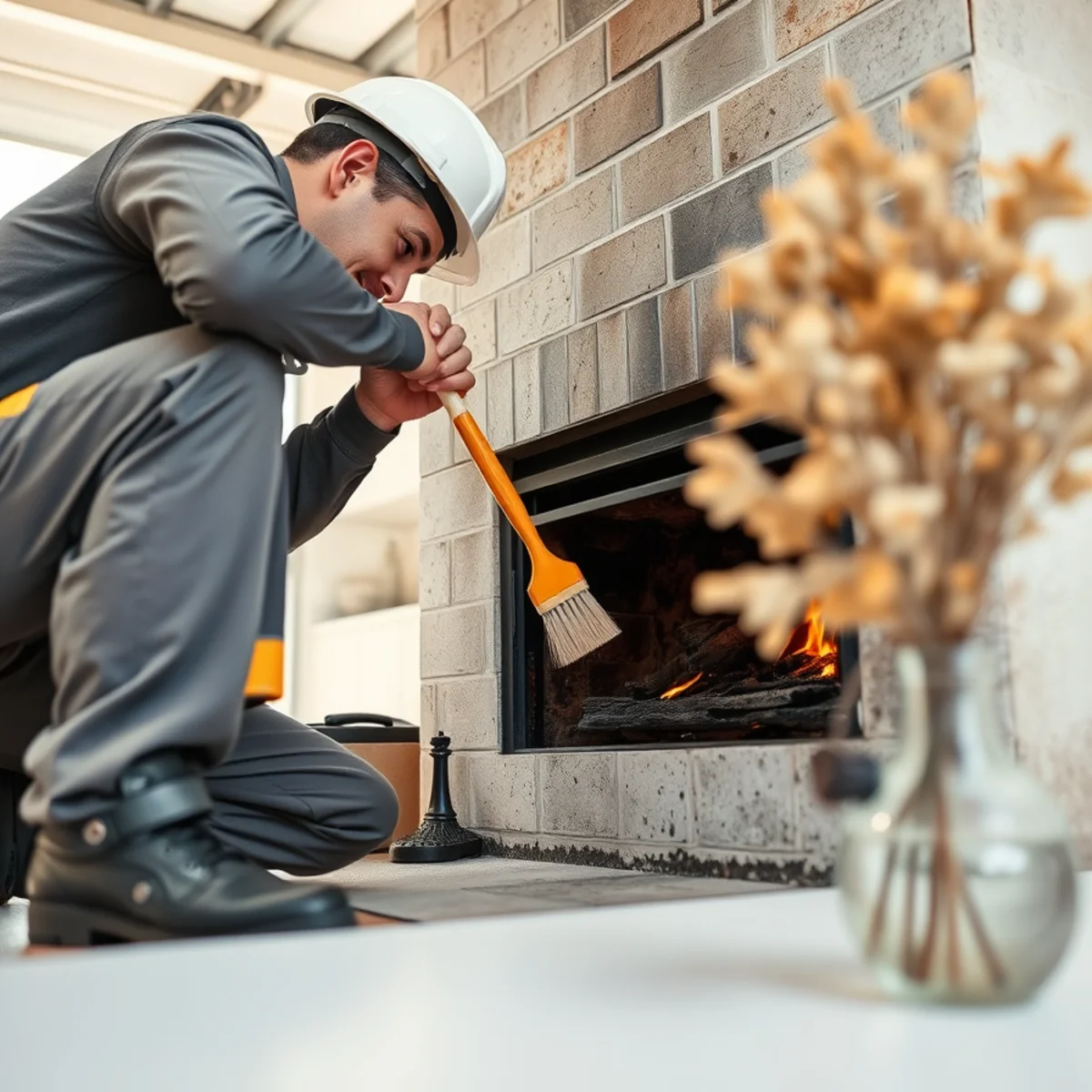
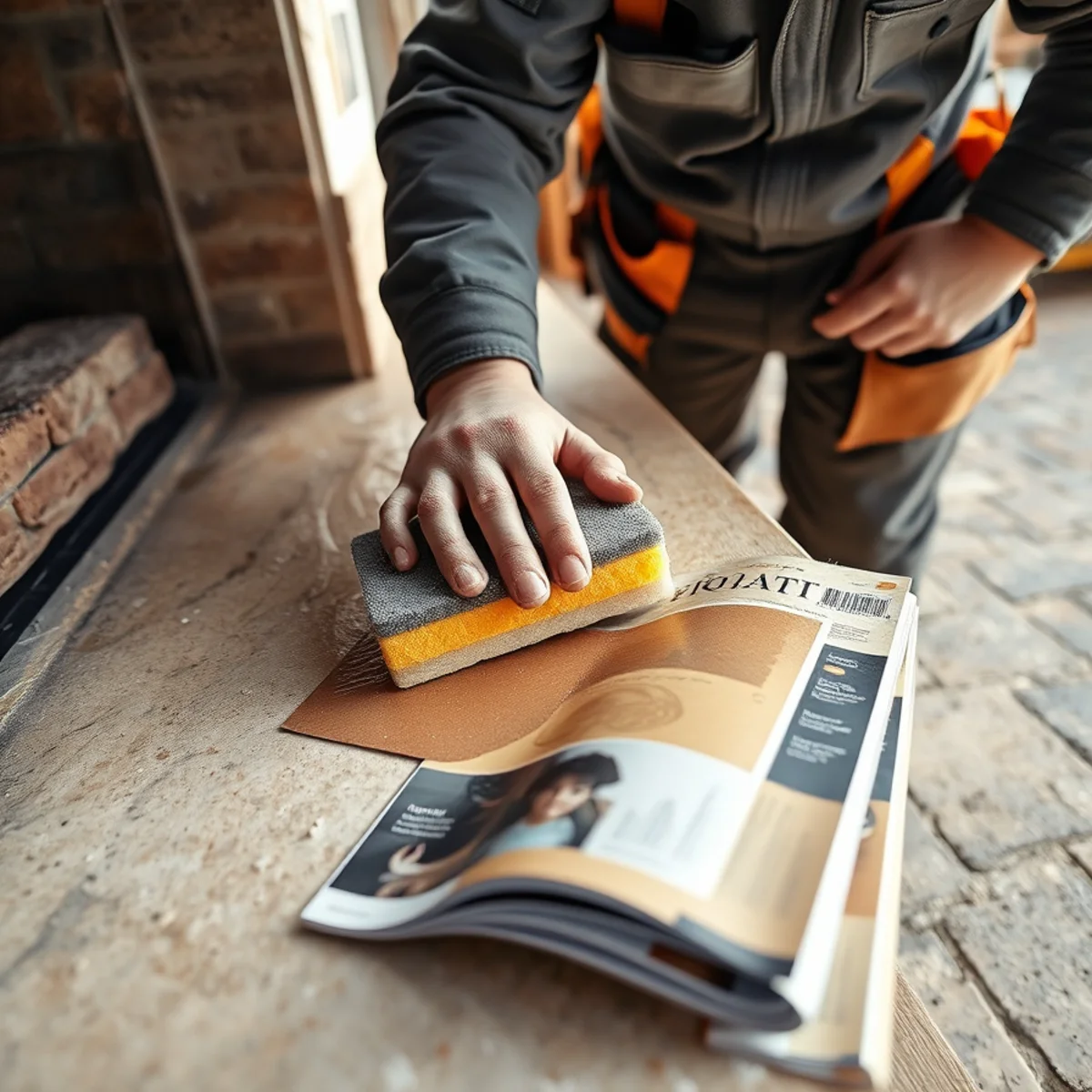
Our certified restoration technicians deploy a rigorous IICRC S700 decontamination sequence: (1) Dry chemical sponge wiping to lift heavy carbon soot without smearing; (2) Enzymatic degreasing wash applied to all non-porous surfaces; (3) Thermal fogging with specialized solvent-based deodorants that duplicate the micron size of smoke particles to permanently neutralize odor compounds; and (4) Continuous HEPA air scrubbing paired with virgin coconut shell activated carbon filters.
4. NFPA 211 Inspections: Level 2 Video Scopes Required for Code Compliance
Following any chimney fire in New York State, the National Fire Protection Association (NFPA) Standard 211 mandates a comprehensive Level 2 chimney inspection before the heating appliance can be safely returned to service.
| Damage Classification | Diagnostic Physical Signs | Mandatory Code Restoration | Insurance Scope Coverage |
|---|---|---|---|
| Minor Surface Glaze | Blistered creosote, intact clay joints, no visible cracks. | Mechanical rotary sweeping & chemical creosote removal. | Typically classified as routine maintenance unless fire occurred. |
| Moderate Thermal Shock | Hairline tile cracks, broken refractory mortar joints, damper smoke leak. | Full stainless steel relining system (UL 1777 listed) with poured insulation. | Fully covered under sudden & accidental fire peril in standard policies. |
| Severe Flue Failure | Collapsed tile liners, cracked exterior brickwork, displaced chimney breast. | Partial or complete chimney teardown and structural masonry reconstruction. | Full structural replacement covered; requires building permit under NYCRR. |
| Attic Extension Char | Scorched roof rafters, burned attic insulation, thermal joist discoloration. | Structural timber sistering, insulation extraction, fire-barrier rebuild. | Covered under primary dwelling structural fire damage policy limit. |
5. Navigating Insurance Claims: Proving Sudden and Accidental Loss
Homeowners often worry that insurance adjusters will deny chimney fire claims by labeling the event "long-term lack of maintenance." However, standard New York homeowners policies explicitly cover sudden and accidental direct physical losses caused by fire.
Documenting Evidence of Sudden Combustion
A chimney fire produces unmistakable physical evidence: honeycomb creosote expansion ("popcorn creosote"), discolored metal chimney caps, thermal expansion fractures across flue liners, and fire department incident reports. Lancaster Smoke Damage Experts provides comprehensive digital photo scopes and detailed Xactimate line-item estimates demonstrating acute fire damage to ensure fair adjuster approvals.
Recovering Flue Relining and Reconstruction Costs
When a chimney liner is cracked by thermal shock, building codes prohibit further use without relining. Insurance carriers must reimburse the cost to bring the venting system back to safe, code-compliant operating condition—which almost always includes installing a continuous, insulated stainless steel relining system or rebuilding the damaged flue.
Central New York Wood Heating Realities & Historic Balloon Framing Hazards
In Chenango, Otsego, and Madison Counties, cordwood heating is an economic necessity. Homeowners frequently burn dense regional hardwoods—such as sugar maple, black cherry, and red oak—which produce intense BTUs but can deposit heavy glazed creosote if seasoned improperly. Many rural farmhouses and village Victorians in New Berlin, Sherburne, and Norwich feature unlined brick chimneys built prior to 1940, surrounded by balloon-frame wall studs without fire stops. When a chimney fire burns at 2,000°F inside an unlined or cracked chimney, radiant heat transfers directly into dry wall timbers within 15 to 20 minutes. Our New Berlin restoration team specializes in non-invasive thermal moisture and heat mapping to verify that zero smoldering embers remain in concealed joist cavities before beginning smoke restoration.
Need Immediate On-Site Fire Damage Recovery?
We dispatch certified restoration teams across Chenango, Otsego, and Madison Counties from our New Berlin hub. Zero phone menus, no automated forms—speak directly with a certified technician.
Frequently Asked Questions
Can I use my wood stove or fireplace after a chimney fire if it looks okay?
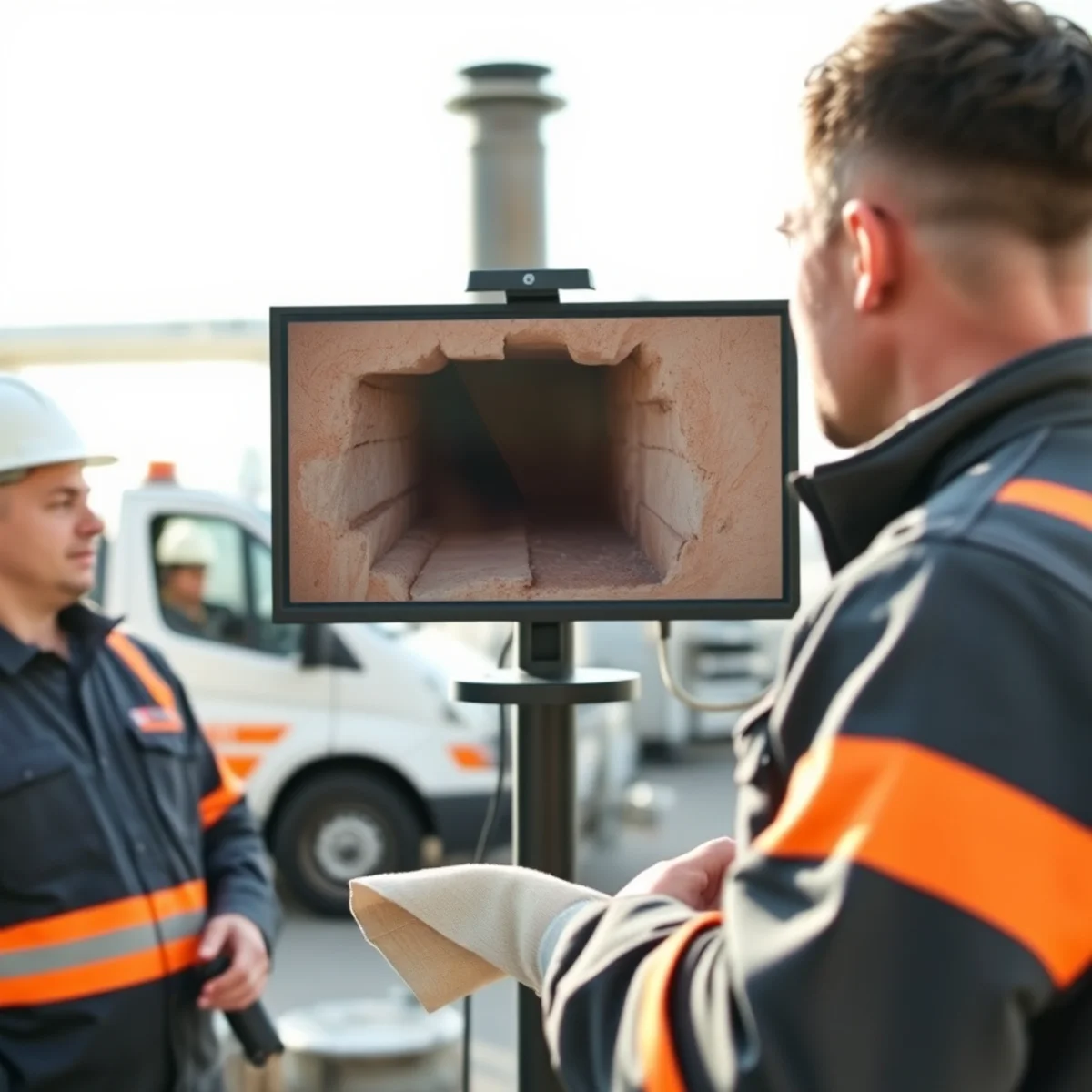
No. Never use any fireplace, wood stove, or chimney after a fire until a certified sweep or restoration professional conducts an NFPA 211 Level 2 internal video camera inspection. Internal cracks in clay liners or broken flue joints are invisible from the hearth and allow sparks to ignite wall framing.
Does homeowners insurance cover chimney fire repairs and flue relining?
Yes. Standard homeowners insurance policies cover sudden and accidental damage caused by a chimney fire, including the cost to reline the chimney with an insulated stainless steel system, repair damaged masonry, and decontaminate smoke odors throughout the home.
Why does my house smell like a campfire weeks after the chimney fire?
Chimney fires force microscopic creosote aerosols and acidic soot particles through damper gaps, attic bypasses, and HVAC returns into drywall, carpeting, and upholstery. Creosote contains sticky tar binders that do not dissipate without professional chemical sponge extraction and thermal fogging deodorization.
What is the best way to clean soot off a brick fireplace and hearth?
Never use water, vinegar, or liquid soap on fresh soot, as moisture dissolves the greasy binders and permanently pushes black carbon into porous brick and mortar. Use vulcanized rubber dry chemical soot sponges to lift residues cleanly before applying specialized enzymatic degreasers.